

Where Every Dawn Brings
a Wild Encounter
Step into 1,334 sq km of raw, untamed Rajasthan — home to Bengal tigers, ancient forts, and safaris you'll never forget.
Reserve Your SafariExperiences Crafted for Every Explorer
From spine-tingling jeep safaris to hand-picked jungle resorts — everything you need for an unforgettable Ranthambore trip, all in one place.

Jeep Safari Booking Assistance
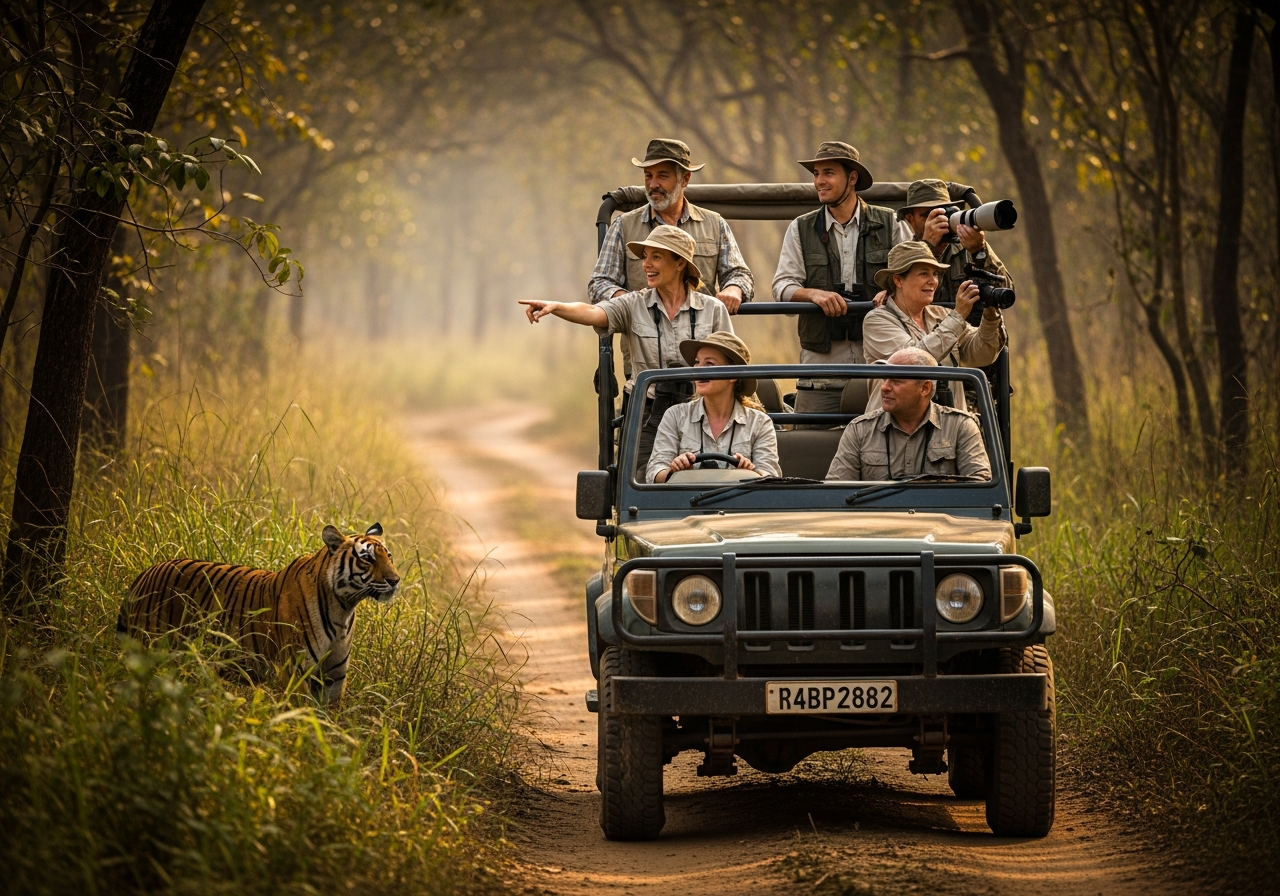
6-seater gypsy deep inside the tiger zones — the most intimate safari experience.
Book Now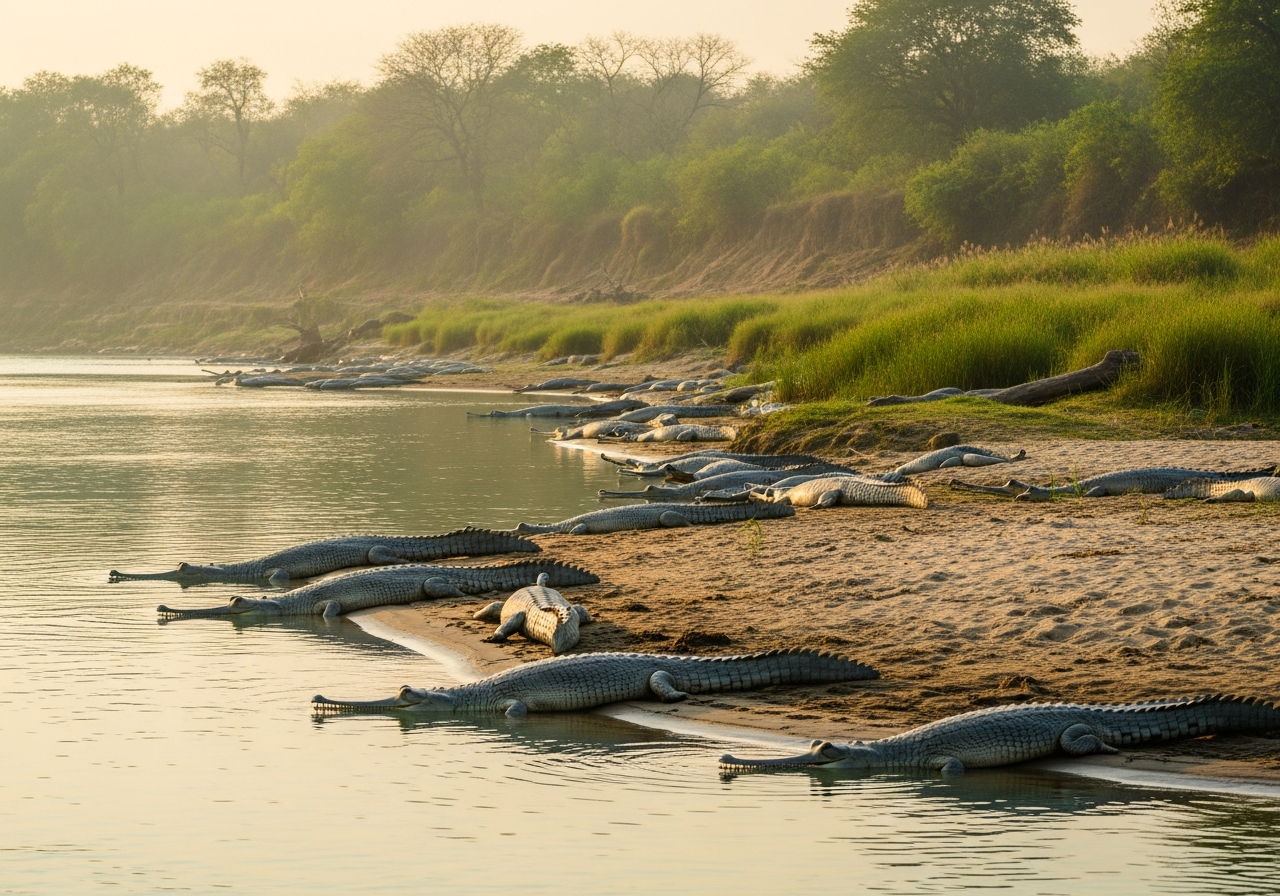
Chambal Boat Safari
Glide along India's cleanest river and spot gharials, dolphins and rare birds.
Book Now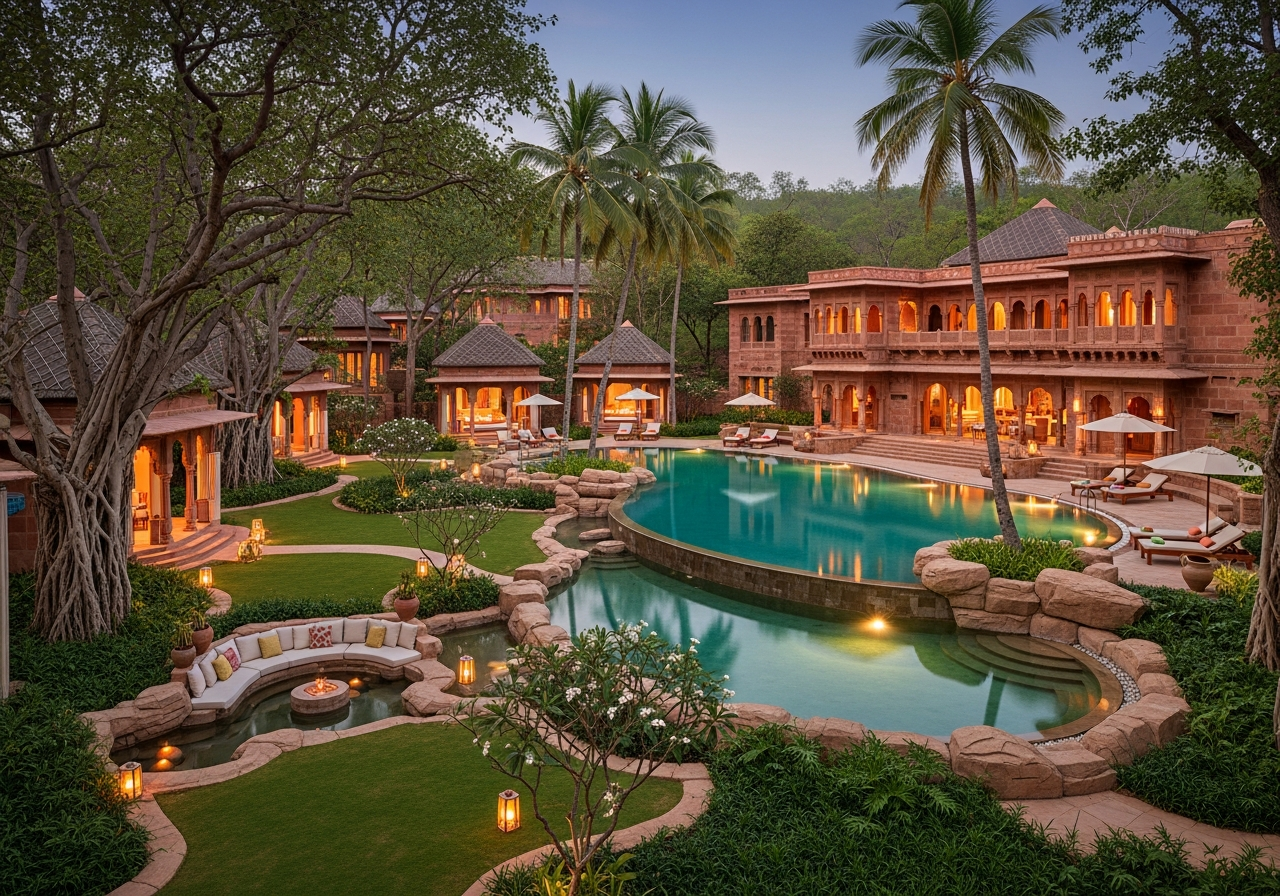
Hotel & Resort Booking Assistance
Jungle camps to heritage resorts — curated stays minutes from the park gates.
Book Now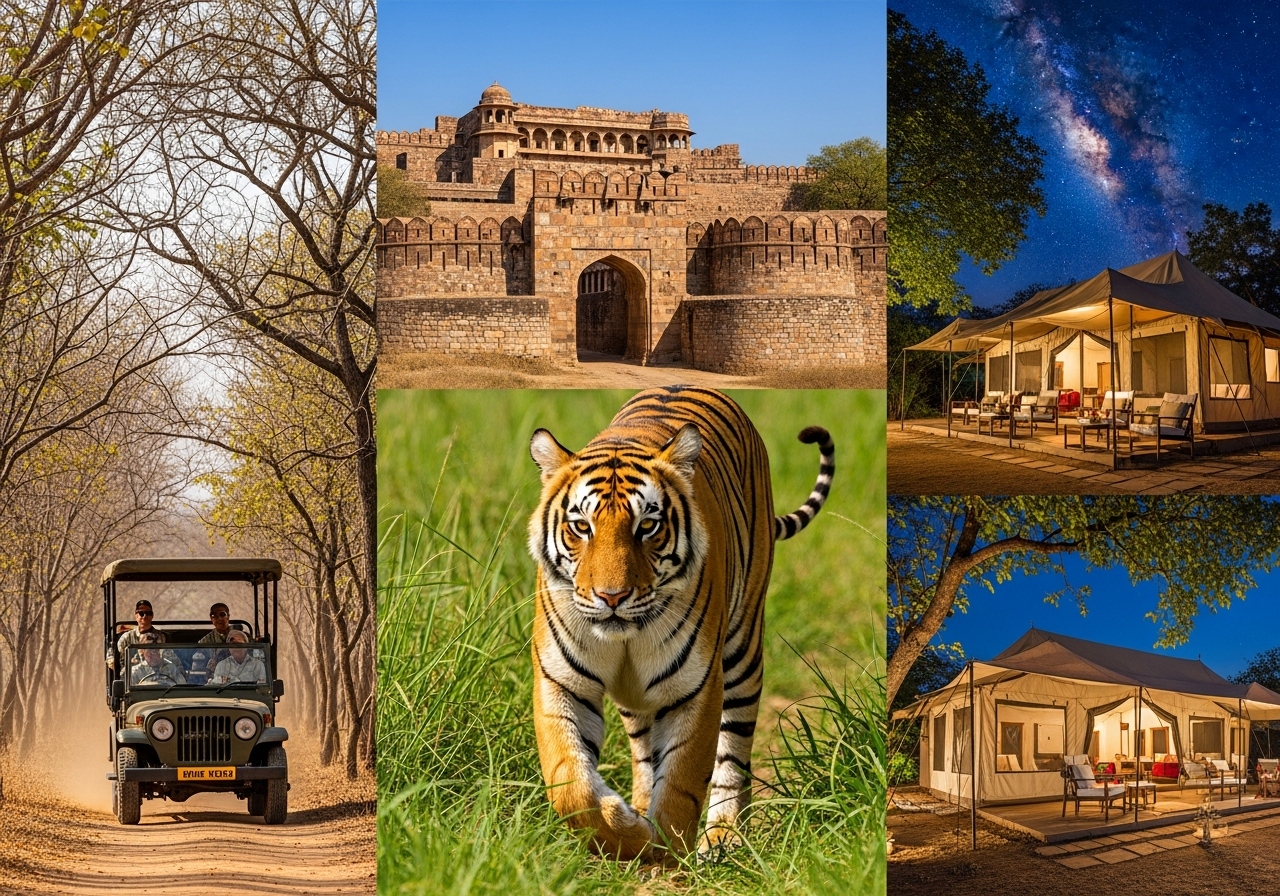
All-Inclusive Packages
Safari + stay + transfers — one price, zero hassle, total peace of mind.
Explore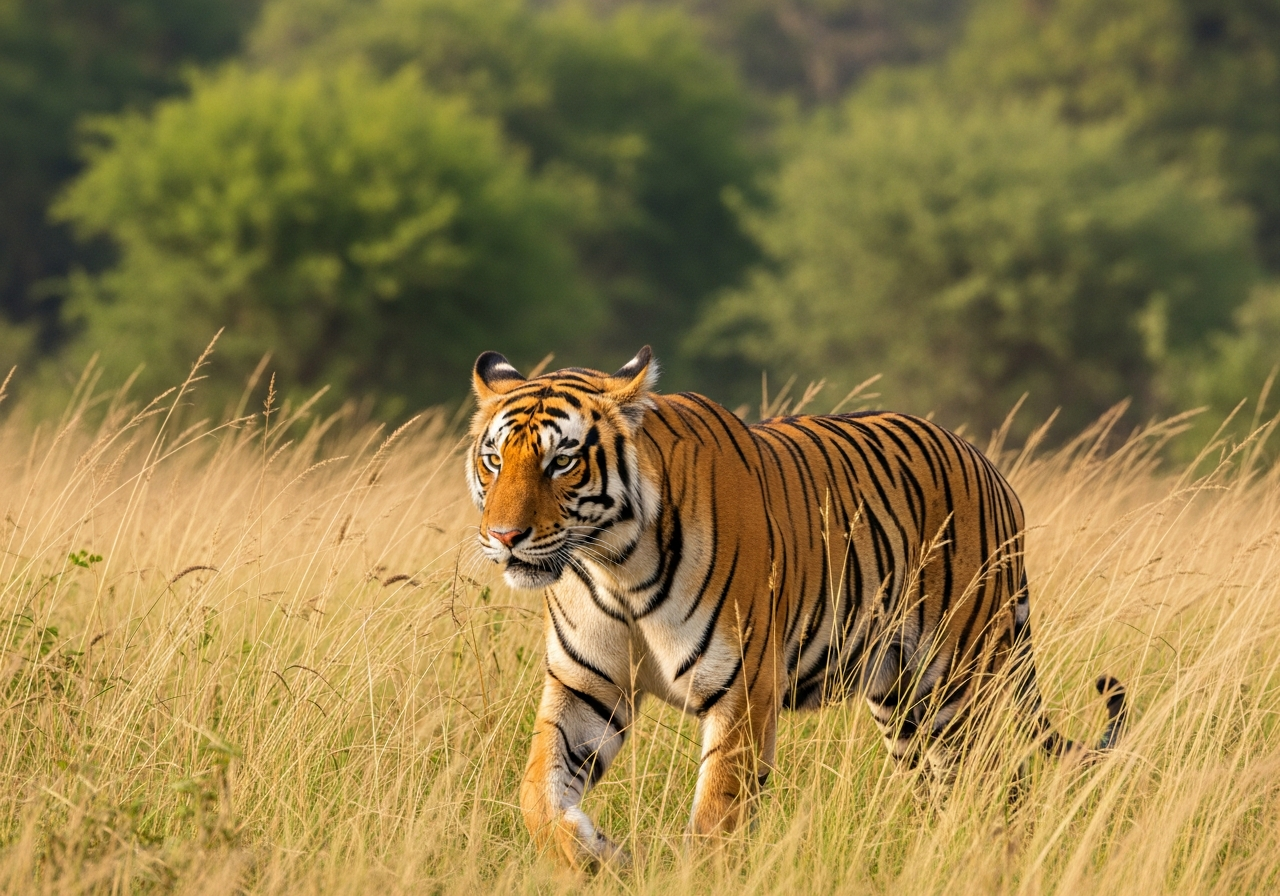
Ranthambore National Park
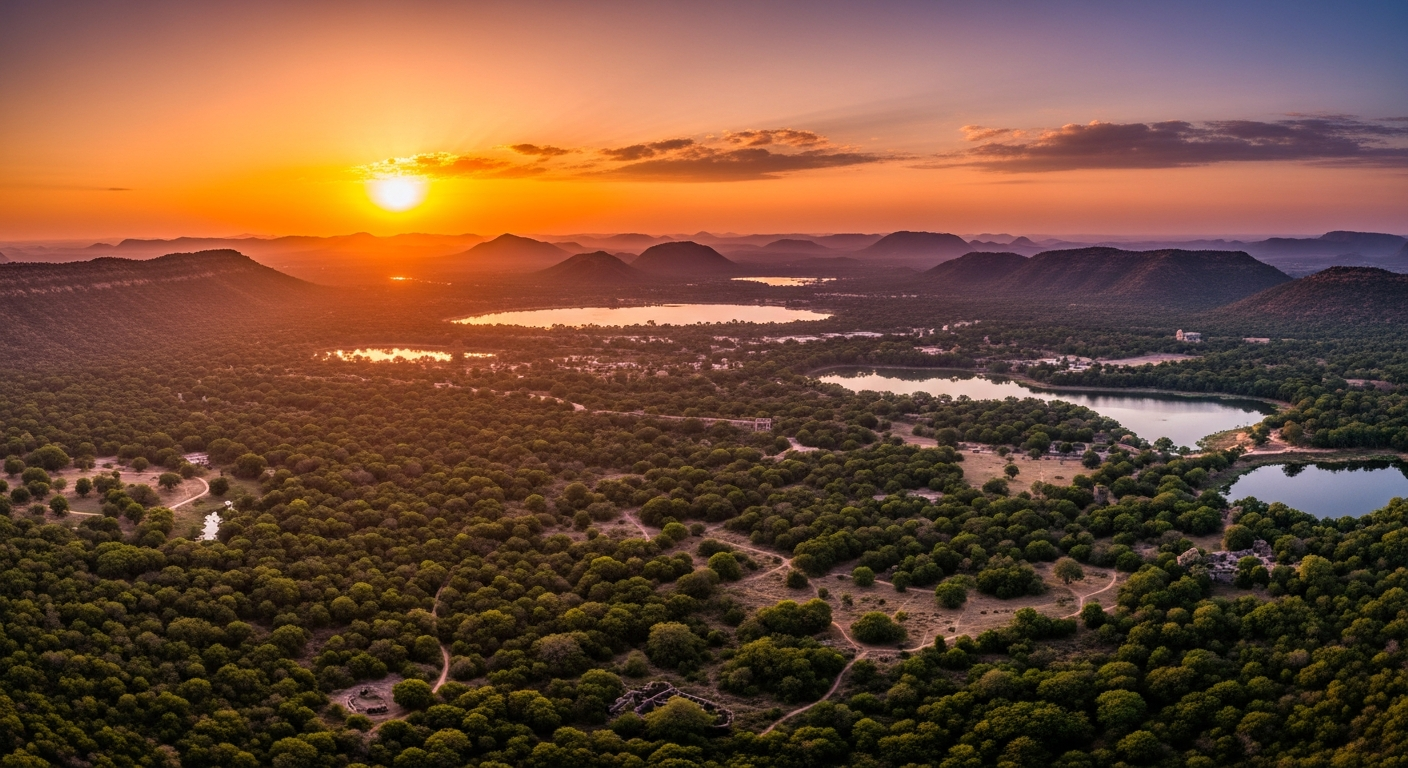
Few places on earth put you face-to-face with a wild tiger the way Ranthambore does. Spread across 1,334 sq km of rugged Rajasthan terrain, this legendary reserve is where dry deciduous forests collide with ancient lakeside ruins, creating one of the most cinematically dramatic wildlife stages in all of Asia.
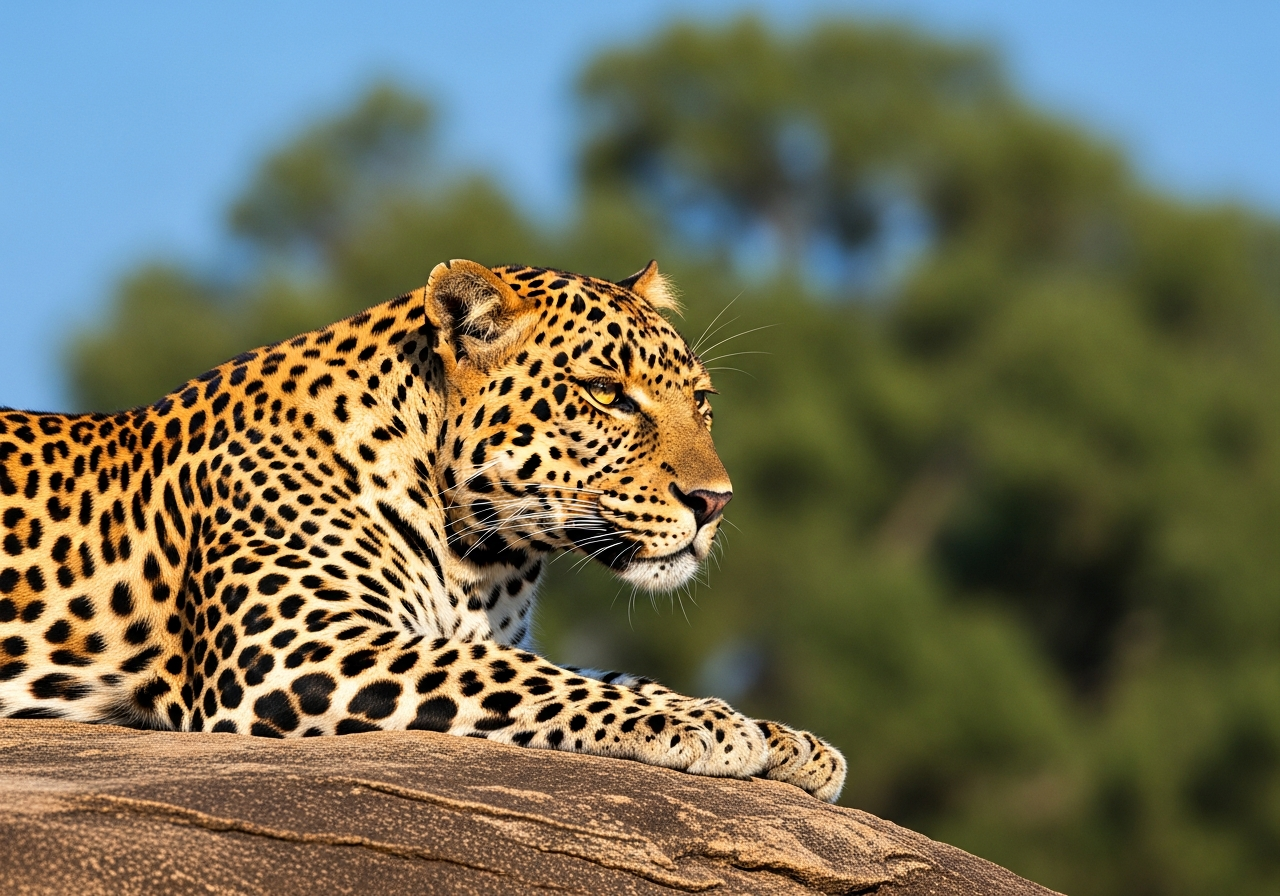
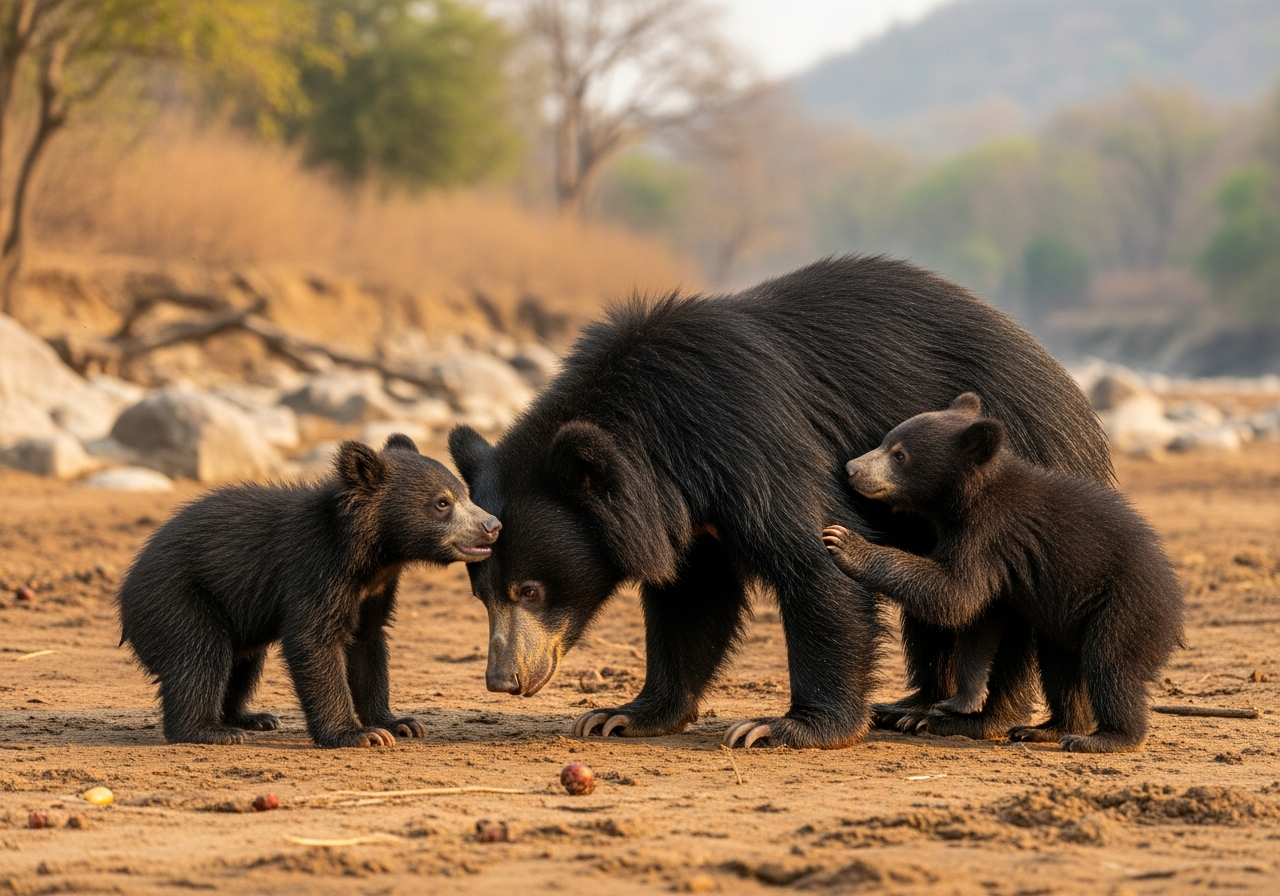
The park's Bengal tiger population — now surpassing 80 individuals — is one of the densest in India, which is why tiger sighting probabilities here are consistently higher than almost any other reserve in the country. But Ranthambore is far more than a one-animal destination. Leopards prowl the rocky ridges, sloth bears lumber through the undergrowth, and 320+ bird species wheel above the shimmering lakes.
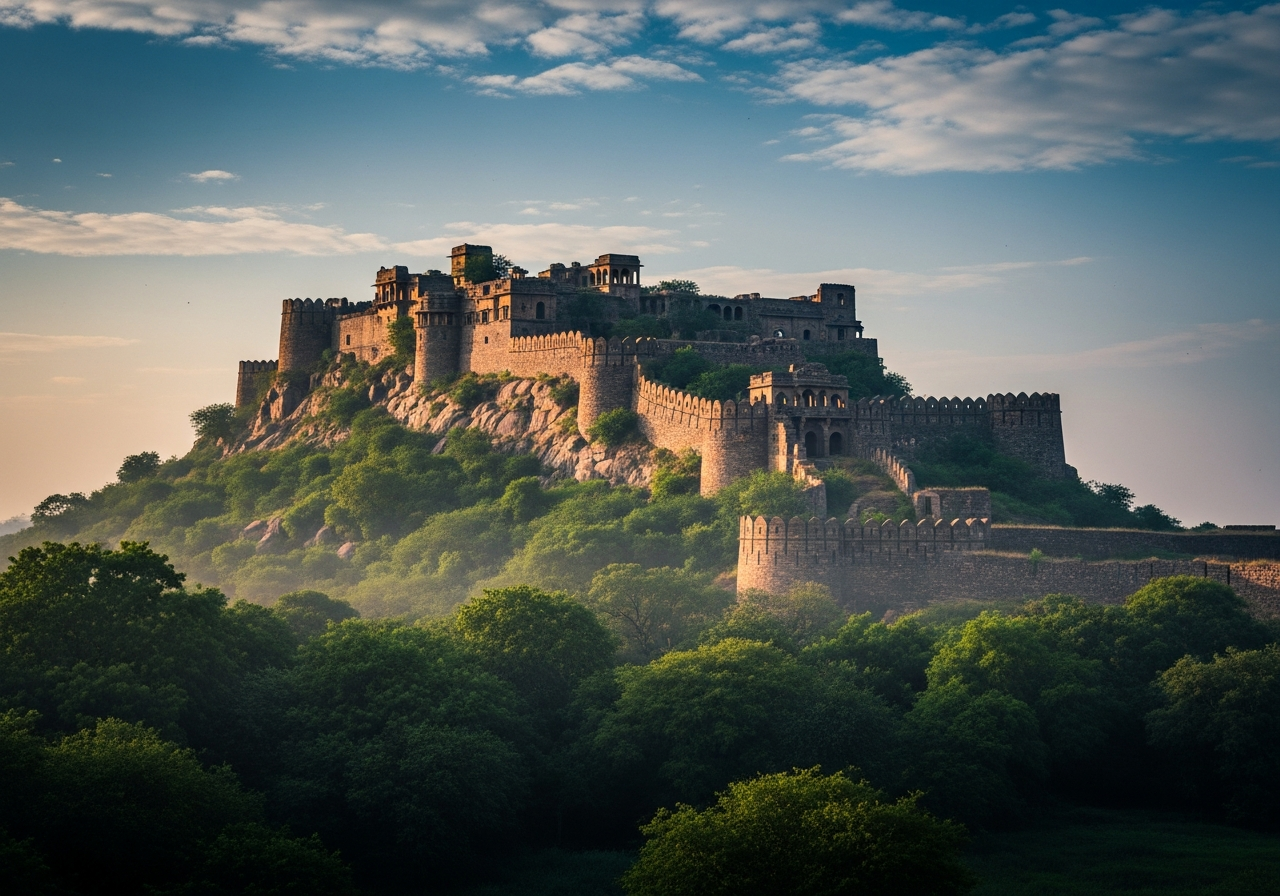
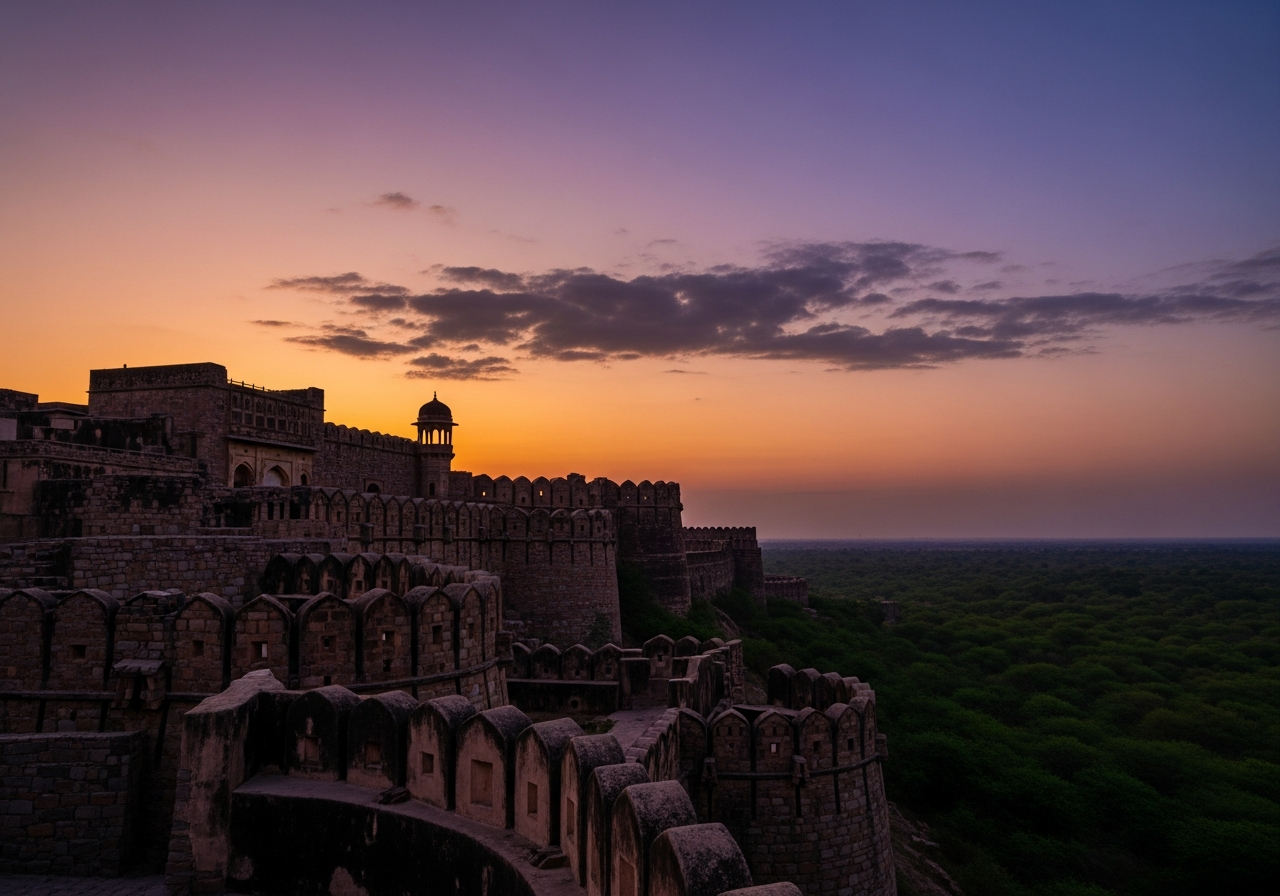
At the heart of it all stands the 10th-century Ranthambore Fort — a UNESCO World Heritage Site whose crumbling battlements gaze over the forest canopy like a stone-faced sentinel, reminding every visitor that this wilderness has been sacred ground for centuries.
Ranthambore by the Numbers
A snapshot of the incredible biodiversity thriving inside the reserve today.

80+
Bengal Tigers

167+
Leopards

320+
Bird Species

100+
Sloth Bears
When to Visit Ranthambore
The park welcomes visitors from October through June. Here's how each season shapes your experience.
October – February Best for Birds
Cool mornings, crisp light and winter migratory birds make these months ideal for photography and leisurely safari. Wildlife stays active throughout the day, giving you longer windows of sighting opportunity.
March – June Peak Tiger Season
As waterholes shrink in the heat, tigers are drawn into the open — making this the single best window for sightings. Book well in advance; permits for these months sell out fast.
July – September Park Closed
The monsoon breathes new life into the forest, but safari tracks become dangerous and the park gates shut for the season. Use this time to plan your next visit and secure early booking assistance.
A Thousand Years of History & Conservation
Ranthambore's story stretches back to the 10th century, when the fort that gave the park its name first rose above the forest canopy. For hundreds of years these jungles served as royal hunting grounds for the Maharajas of Jaipur — a legacy that shaped the land but ultimately planted the seeds of its modern-day protection.
The turning point came in 1973, when India launched Project Tiger — one of the most ambitious wildlife conservation initiatives the world had ever seen. Ranthambore was among the first nine reserves chosen, and hunting was immediately banned within its boundaries. The tiger population, which had dwindled dangerously, began its slow and remarkable recovery.
Today the reserve stands as one of the project's greatest success stories. Through sustained anti-poaching patrols, camera-trap monitoring networks, community engagement and habitat restoration, Ranthambore's tiger count has grown from fewer than 14 individuals in the early 1970s to over 80 today — a triumph of conservation that continues to inspire efforts across the globe.
Through the Lens
Ranthambore in Pictures
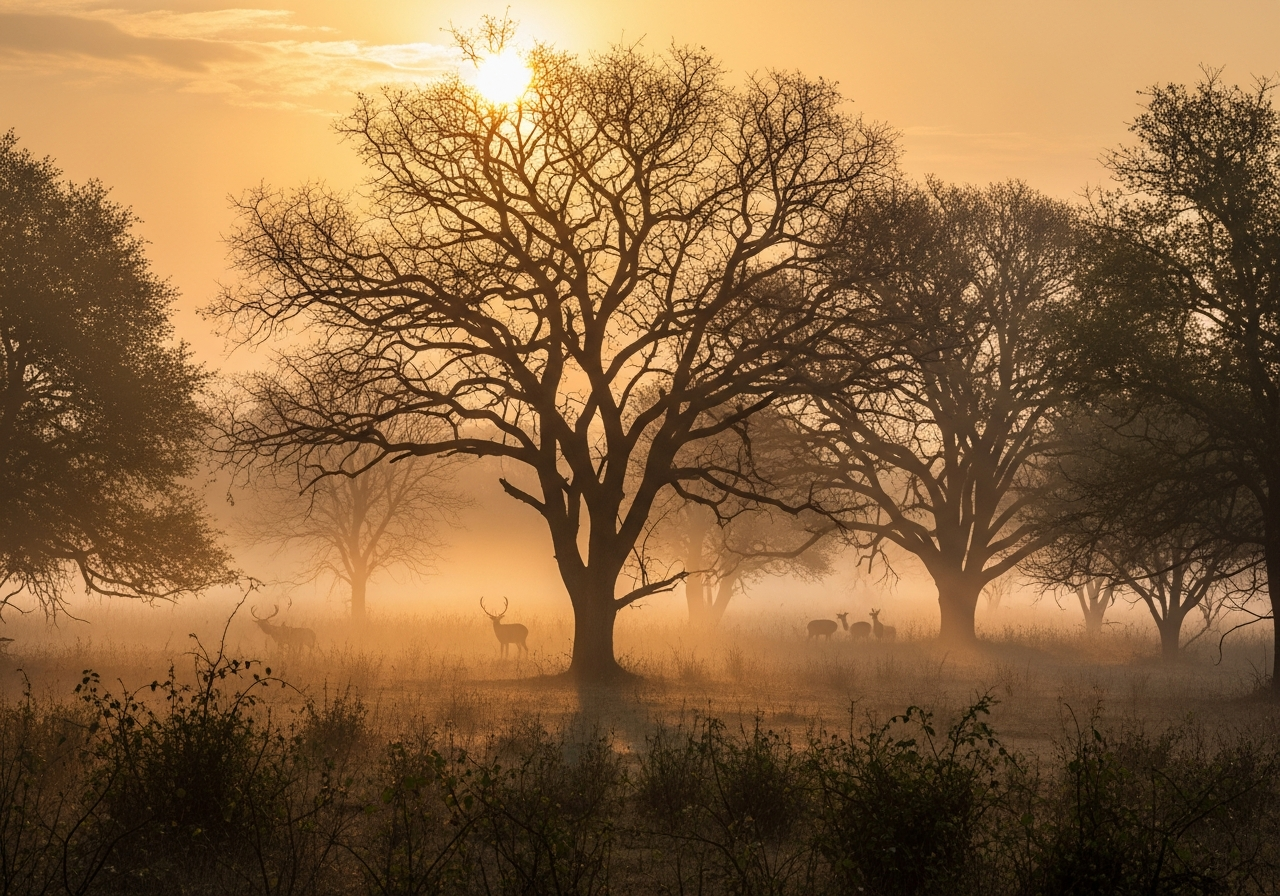
Every frame tells a story — a tiger crouching at the waterhole, a sloth bear ambling at dusk, the fort glowing in the evening light. These moments are waiting for you.
Explore Full Gallery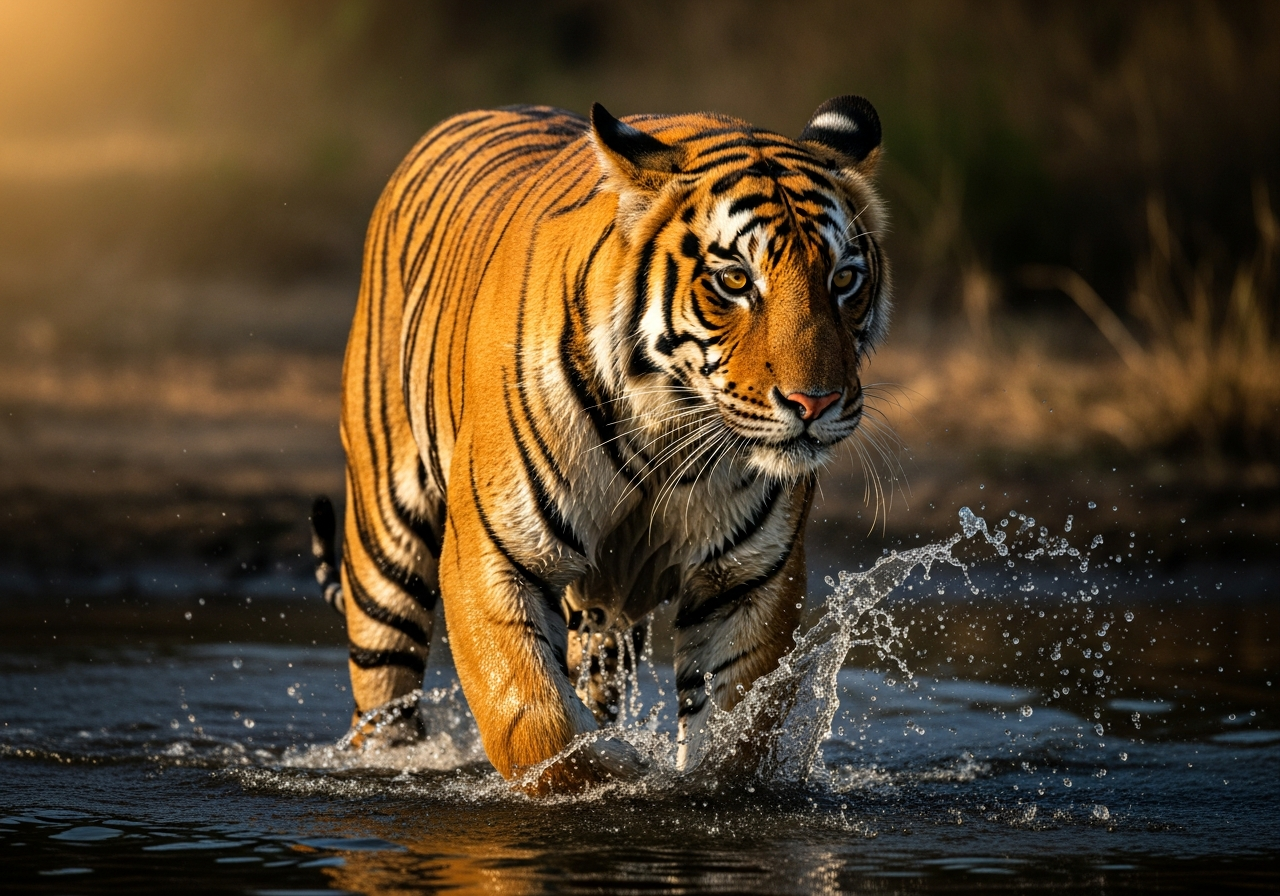
Six Ways to Fall in Love with Ranthambore
The reserve rewards every kind of traveller — adrenaline seekers, history buffs, birdwatchers and photographers alike.
Jeep Safari
Nothing compares to rolling silently through the forest at dawn in an open gypsy, the tracker's eyes scanning the undergrowth — and then, a flash of orange. The jeep safari puts you closest to the action, with intimate 6-seater vehicles that can navigate the narrowest forest tracks where tigers actually roam.
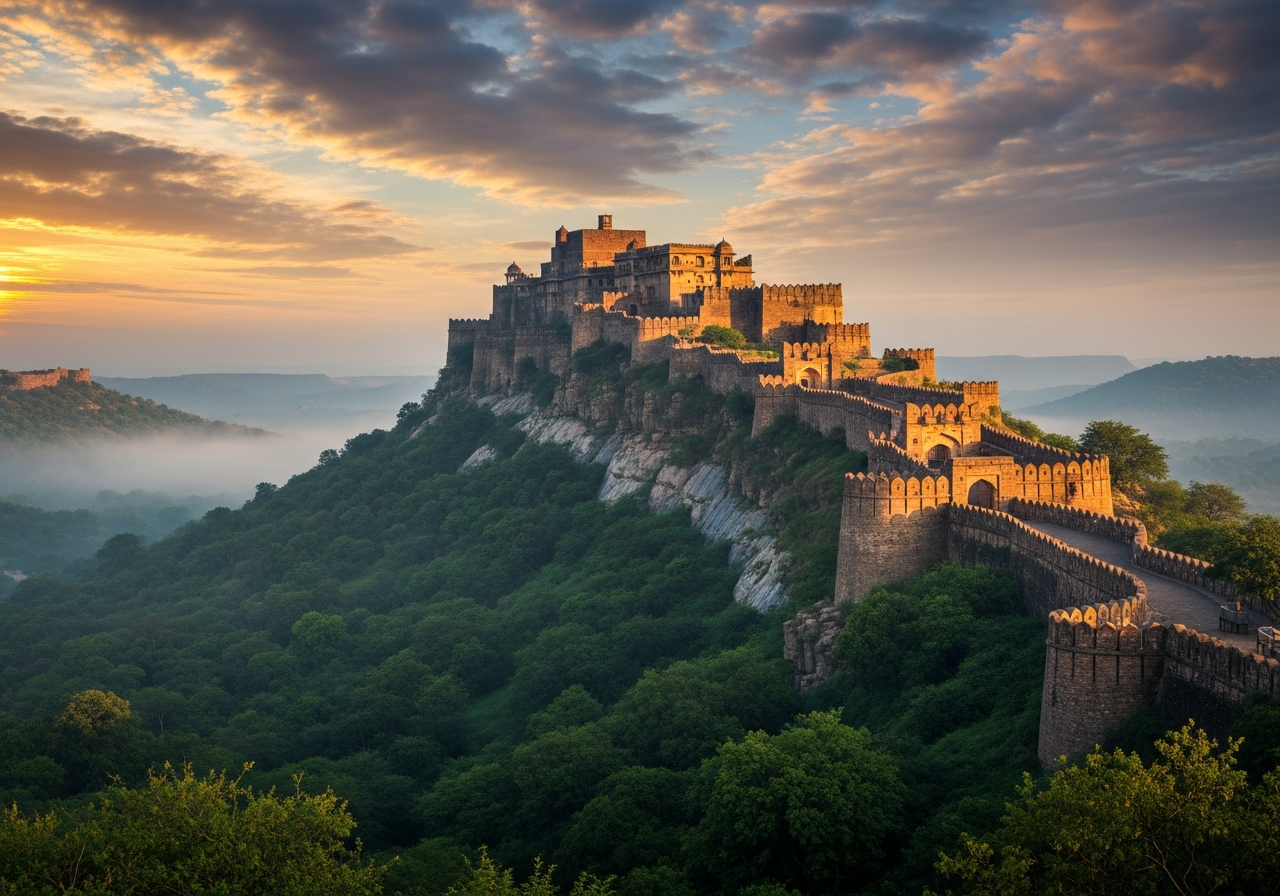
Ranthambore Fort
A UNESCO World Heritage Site that has watched empires rise and fall since the 10th century. The fort's crumbling ramparts, ancient temples and sweeping views over the jungle canopy create a setting that feels entirely otherworldly — especially at sunrise, when mist still clings to the treetops below.
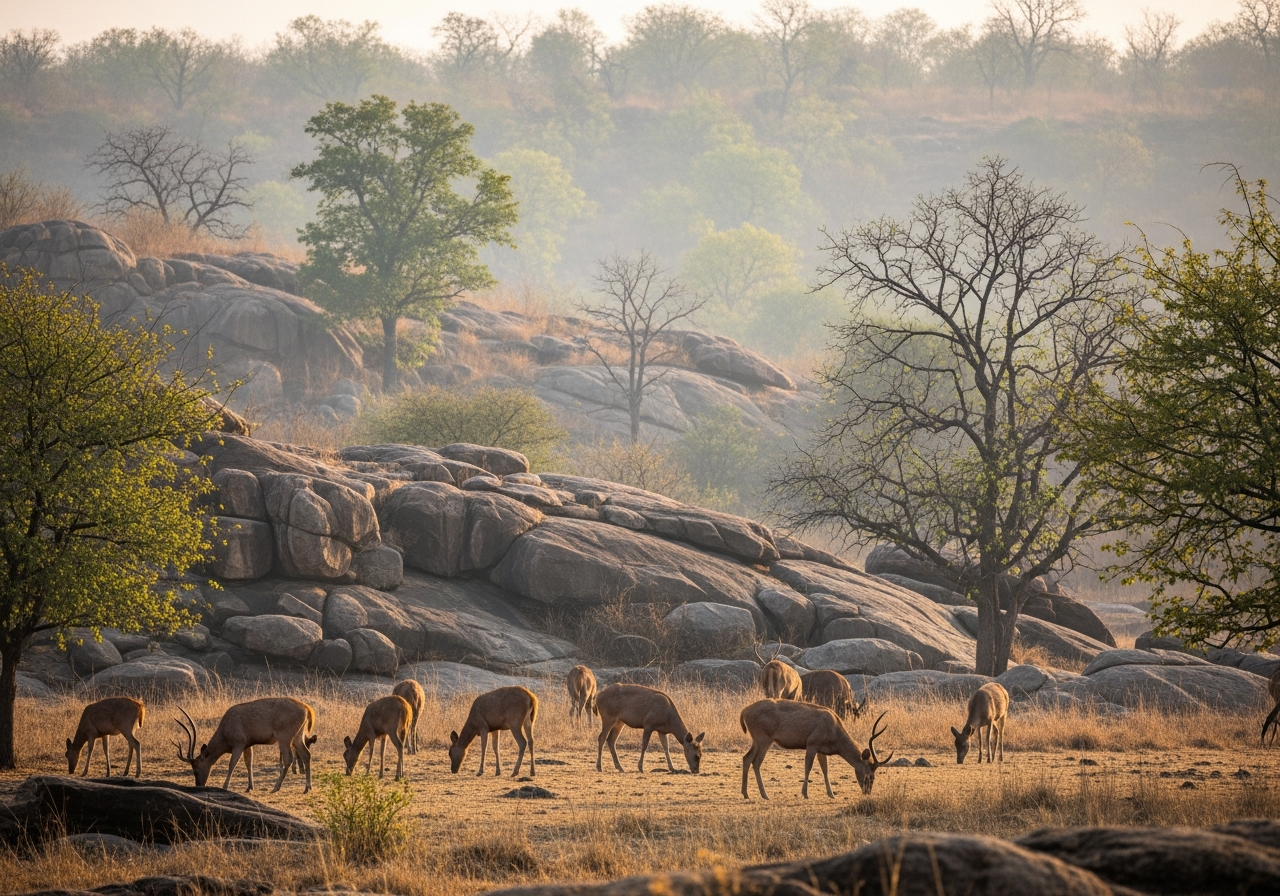
Kachida Valley
Tucked along the park's outer edge, this rugged valley of rocky outcrops and dense scrub is a haven for species that prefer to keep clear of tiger country. It's the reserve's best spot for sloth bear and leopard encounters — and the dramatic terrain makes for extraordinary landscape photography even when wildlife stays hidden.
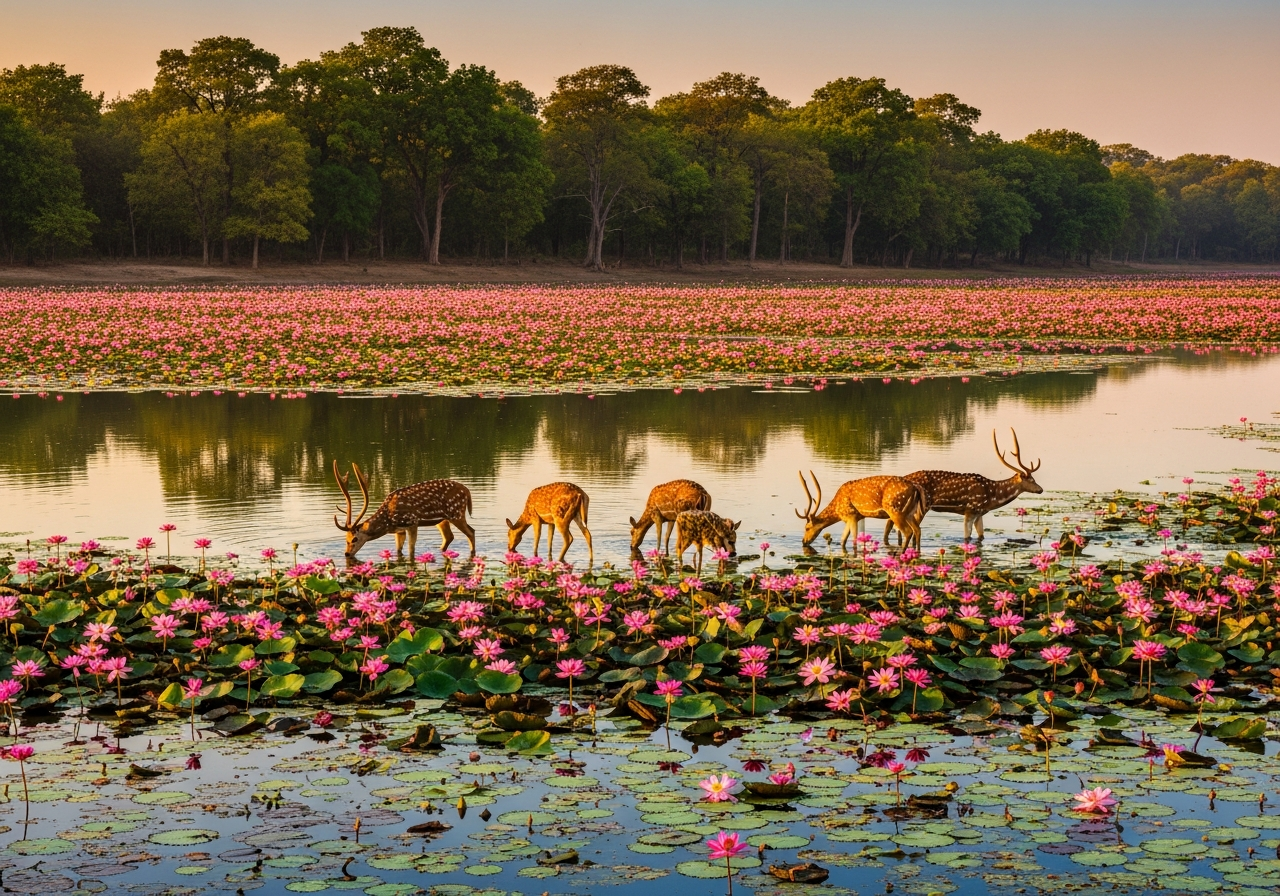
Padam Talao
The park's largest lake, carpeted in water lilies that turn shocking pink at full bloom. This is where the wilderness truly shows its softer side — egrets fishing at the edge, crocodiles basking on the banks, and on lucky evenings, a tiger picking its way down to drink. Few scenes in Indian wildlife are as breathtaking.
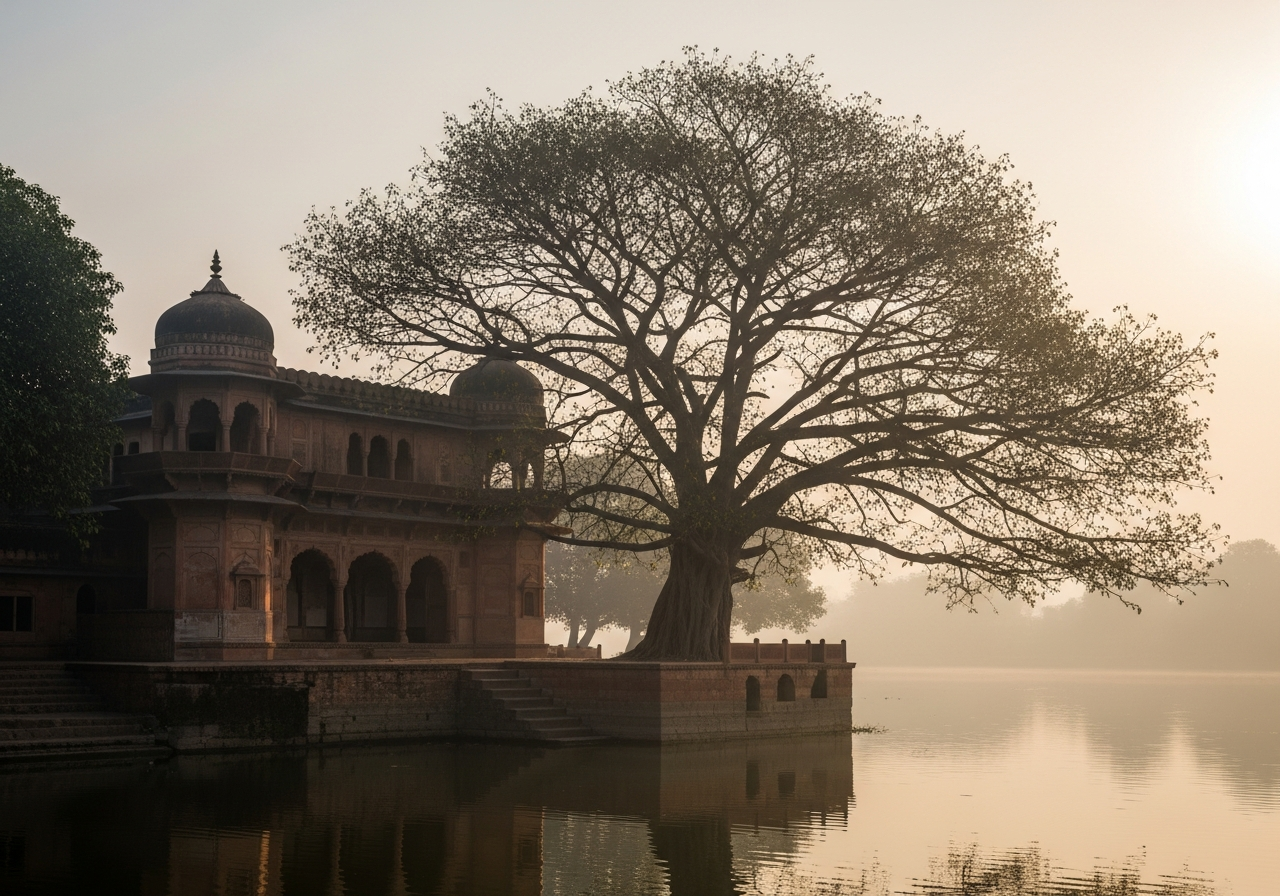
Jogi Mahal
Standing at the water's edge of Padam Talao, this former royal rest house is guarded by one of India's oldest and largest banyan trees. Once the Maharajas' retreat after a day's hunt, it now offers visitors a rare moment of quiet reflection — history, architecture and wild nature all sharing the same extraordinary frame.
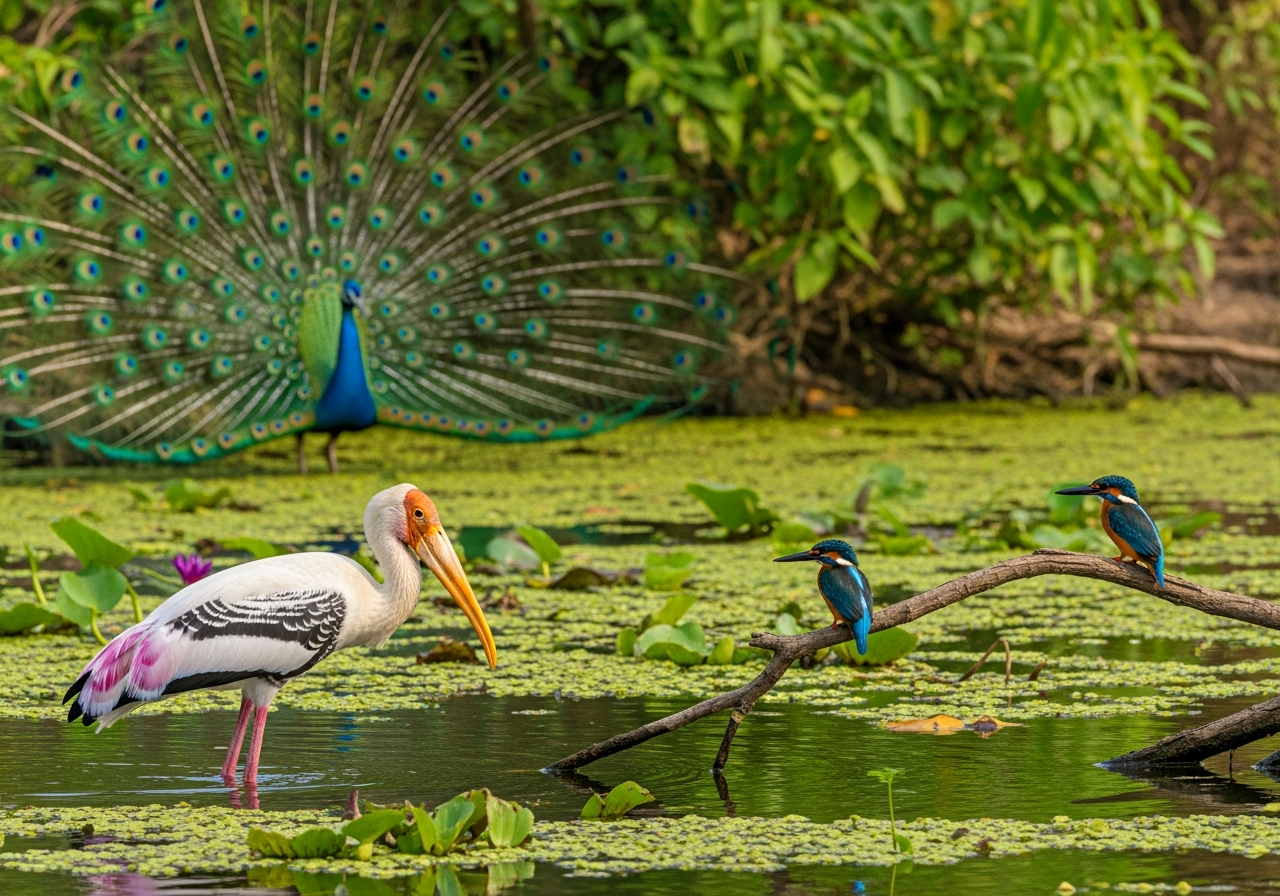
Bird Watching
With 320+ species catalogued across its lakes, grasslands and canopy, Ranthambore is a serious birder's dream. Watch painted storks wade through the shallows, track the flash of a kingfisher, or spot a great horned owl perched motionless in the branches. The birdlife here changes entirely with each season, rewarding repeat visits.
Ranthambore's Most Famous Tigers
These individuals became global icons — each one shaping how the world sees and values wild tiger conservation.
| Name & Code | The Story |
|---|---|
| Machali (T-16) | The queen of Ranthambore and arguably the most photographed wild tiger in history. Known as "Lady of the Lake," Machali ruled zones 3, 4 and 5 for nearly two decades, raised dozens of cubs and once fought off a 14-foot mugger crocodile. She inspired a National Award-winning documentary and the novel Three Ways to Disappear by Katy Yocom. She passed at 20 years old in August 2016 — a ripe old age for a wild tiger. |
| Sundari (T-17) | Daughter of Machali and every bit as striking as her mother. Named for her extraordinary beauty, Sundari ruled zones 1–5, gave birth to three cubs in 2019, and continued her mother's legacy of bold, visible territory ownership. She has since passed, but her descendants still roam the reserve. |
| Romeo (T-6) | His entire life seemed devoted to courting the elusive Laila — a pursuit that made him one of the reserve's most watched tigers. Born in 2011 and based mainly in zones 4 and 5, Romeo was a textbook study in tiger social behaviour before dying young at just nine years old. |
| Laila (T-41) | The object of Romeo's affections and a character in her own right. Identifiable by a distinctive diamond marking on her flank, Laila has been spotted mating with multiple males over the years. She remains alive and active, regularly sighted in zones 4 and 5. |
| Dollar (T-25) | A tiger who earned two names — Dollar for the dollar-sign stripe on his belly, and Zalim (meaning 'fierce') for his habit of charging safari vehicles. He was one of Ranthambore's most boldly territorial tigers, and his 2020 death marked the end of a genuine era. |
| Other Notable Tigers | The reserve has also been home to legendary individuals including T-24 (Ustad), T-39 (Mala), Junglee, Bina One, Bina Two and T-28 (Sitara) — each remembered fondly by guides and wildlife enthusiasts who witnessed their reigns. |
Questions Visitors Ask Us Most
Latest News & Field Notes
Tiger sighting reports, seasonal updates, travel tips and conservation news straight from the reserve.